







Search Results for: Panama National Treasure Bean
A Complete Analysis of the Geisha Coffee Variety: The Comeback Journey from Ethiopia to Panama and an Overview of Common Cultivated Varieties
Geisha, a coffee variety whose name sounds like the Japanese word for "entertainer," set out from the Geisha Mountains of southwestern Ethiopia, passed through Kenya, Tanzania, and Costa Rica, and finally made a spectacular debut in Panama. Over more than seventy years, it completed a comeback from obscurity to competition champion, winning first prize in the Panama Boquete Best of Panama cupping competition for three consecutive years from 2005 to 2007, and in 2007 it set a record for competition coffee value at $130 per pound. This article will comprehensively trace Geisha's legendary journey and systematically review common coffee cultivars—Typica, Bourbon, Caturra, Catuai, Pacamara, and others—to introduce you to the rich landscape of Arabica's genetic treasure trove. Front Street Coffee will also recommend Geisha products worth paying attention to in this article. [more…]
Top Ten Most Expensive Coffees in the World: Kopi Luwak, Blue Mountain, and Hacienda La Esmeralda Geisha Lead the List
Coffee, as a globally beloved beverage, spans an enormous price range, from everyday affordable to jaw-droppingly expensive. This article rounds up the ten most expensive coffees in the world, from Kopi Luwak at $160 per pound to Puerto Rico's national treasure coffee at $24 per pound, introducing each one's origin, flavor characteristics, and price. Whether you're a coffee enthusiast or a curious reader, this list gives you a glimpse into the rarity and allure of top-tier coffee. At the same time, the article also retains related recommendations from the Front Street brand for readers' reference when making purchases. [more…]
Panama Geisha Coffee Bean Production Decline: Causes, Flavor Characteristics, and a Complete Guide to Roasting Key Points
In recent years, Geisha coffee beans have been nothing short of spectacular in the international specialty coffee market. Panama-grown Geisha in particular has won over countless coffee lovers with its stunning floral and fruity aromas and exceptional sweetness. However, the latest news reveals that Panama Geisha coffee beans are facing a decline in production, prompting many coffee enthusiasts to take a closer look at this bean's origins, flavor characteristics, and roasting essentials. This article will walk you through Geisha's legendary journey from Ethiopia to the world stage, break down its green bean appearance and aroma traits, and share how to bring out this bean's unique charm through proper roast levels. We'll also cover Front Street Coffee's recommendations and insights on Geisha beans, helping you better capture the essence of this specialty coffee in your everyday brewing. [more…]
Geisha Coffee Quality Grades and Price Analysis: A Complete Guide to Its History, Green Bean Appearance, and Pour-Over Flavor
Geisha coffee is hailed as the champion variety among specialty coffees, renowned worldwide for its full-bodied sweetness, clean mouthfeel, and rich floral and fruity aromas. From its quiet export origins in Ethiopia's Geisha Mountains to its meteoric rise at Hacienda La Esmeralda in Panama, Geisha has traversed a legendary journey spanning more than seventy years. This article will guide you through the historical trajectory of Geisha coffee, the appearance characteristics of green and roasted beans, the flavor differences across various origins, and the brewing parameters recommended by Front Street Coffee for the Savage series Geisha from Panama's Deborah Estate, offering coffee enthusiasts a complete Geisha tasting guide. [more…]
A Comprehensive Analysis of Geisha Coffee: From Ethiopian Origins to Panama's Red, Green, and Blue Label Grading System
In the past dozen years or so, Geisha coffee has swept through major competitions, capturing more than twenty championship trophies, even eclipsing Blue Mountain and Hawaiian Kona. This legendary bean variety originated from the Gesha Mountains in southwestern Ethiopia, journeying through Kenya, Uganda, Tanzania, and Costa Rica, before finally achieving fame at Hacienda La Esmeralda in Panama. This article will guide you through the spread of Geisha, clarify the core differences between the three grades—Red Label, Green Label, and Blue Label—explore the real reasons behind its high price, and let you experience its stunning floral and fruity tea-like flavors. Whether you are new to it or already familiar, you will find practical purchasing references here. [more…]
Panama Geisha Pour-Over Water Temperature and Brewing Parameters Explained: A Three-Pour Iced Pour-Over Recipe
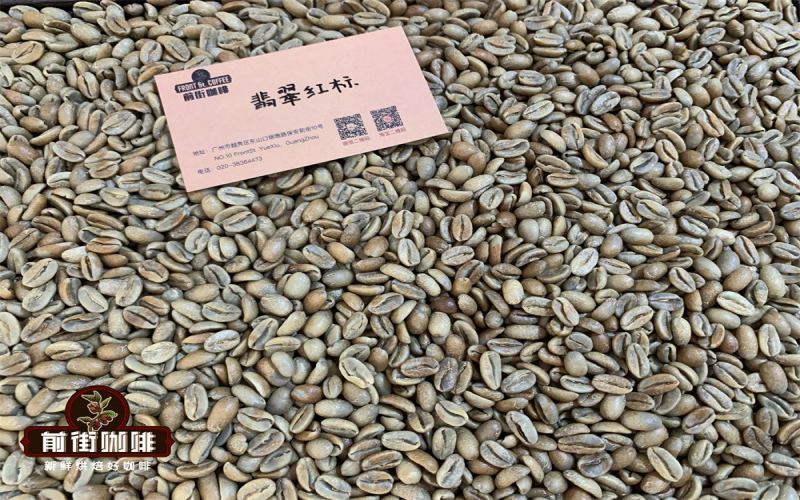
Geisha coffee, after being discovered in Ethiopia and passing through many countries, took root in Panama and rose to fame in the 2005 cup-testing competition, becoming a legendary variety in the specialty coffee world. This article focuses on the pour-over brewing of Panamanian Geisha, with emphasis on an iced pour-over method suitable for medium-light roasted Geisha, including specific parameters and operational details such as 92°C water temperature, 15 grams of grounds, 75 grams of ice, and a three-stage pouring process. It also reviews the product characteristics of Front Street Emerald Red Label, Green Label, Boquete Geisha, and Front Street Butterfly, helping coffee enthusiasts experience Geisha's full floral and fruity aromas in everyday life. [more…]
Does Starbucks sell Geisha coffee? How much is a cup? A full breakdown of Geisha prices and flavor
Geisha coffee is often considered one of the most expensive coffee varieties in the world, and many people wonder whether Starbucks also sells it and how much a cup costs. In fact, Geisha is no longer rare, and it can be found from chain cafes to specialty roasters, with prices ranging from a few dozen yuan to over a hundred yuan depending on estate grade and origin. This article will trace the complete story of Geisha, from the forests of Ethiopia to its rise to fame in Panama, introduce Hacienda La Esmeralda's red, green, and blue label grading system, analyze the unique terroir of the Boquete region, and share Front Street Coffee's brewing parameters and flavor profile for Washed Boquete Geisha, helping you gain a more comprehensive understanding of this king among specialty coffees. [more…]
A Comprehensive Analysis of Geisha Coffee Flavor Grades: From Hacienda La Esmeralda's Red, Green, and Blue Labels to Washed and Natural Processing Methods
How did Geisha coffee leap from a wild variety in Ethiopia to become Panama's national treasure-level specialty bean? From the perspective of Front Street Coffee, this article traces Geisha's discovery and rise to fame at Hacienda La Esmeralda, explains in detail the quality differences between Red Label, Green Label, and Blue Label under Panama's altitude grading system, and compares the influence of natural and washed processing methods on flavor direction. The article also includes complete parameters for three Front Street Coffee Geisha products, as well as the specific steps and tasting notes for V60 three-pour brewing, making it suitable for enthusiasts who want to gain a deeper understanding of the Geisha coffee flavor system. [more…]
Top Ten Coffee Beans in the World: A Full Breakdown of Origins, Estates, and Prices per Pound
In the world of coffee, some beans command soaring prices due to their rare origins, unique processing methods, or historical heritage. This article ranks the world's ten most expensive coffee varieties, from Hawaiian Kona to Indonesian Kopi Luwak, detailing their estates of origin, flavor characteristics, and price per pound. Whether you want to broaden your coffee knowledge or are looking for your next bag of specialty beans worth investing in, this list will give you a clearer understanding of the high-end coffee market. The article also specifically mentions the Jamaica Blue Mountain No. 1 coffee on Front Street Coffee's bean list for interested enthusiasts to consider purchasing. [more…]
Which black coffee brand is authentic and tasty? A full analysis of the flavor characteristics of Geisha black coffee
Faced with a dazzling array of black coffees, how can you pick the one that is both authentic and delicious? Ultimately, taste is a highly personal matter, and the best choice is the one that suits your own preferences. Today, more and more coffee lovers are pursuing single-origin specialty black coffee, because only a pure extraction with no sugar and no milk allows you to fully savor the terroir carried by the coffee beans. Among the many specialty beans, Geisha stands out with its intense citrus aroma, jasmine fragrance, and bright, varied fruit acidity, making it a star variety that producing countries compete to cultivate. However, the same variety can present completely different flavor profiles in different regions, and the Geisha of Panama, Ethiopia, Costa Rica, and Colombia each has its own merits. This article uses Front Street Coffee's bean selection and brewing experience as a thread to guide you through the characteristics and tasting methods of Geisha black coffee from each region. [more…]
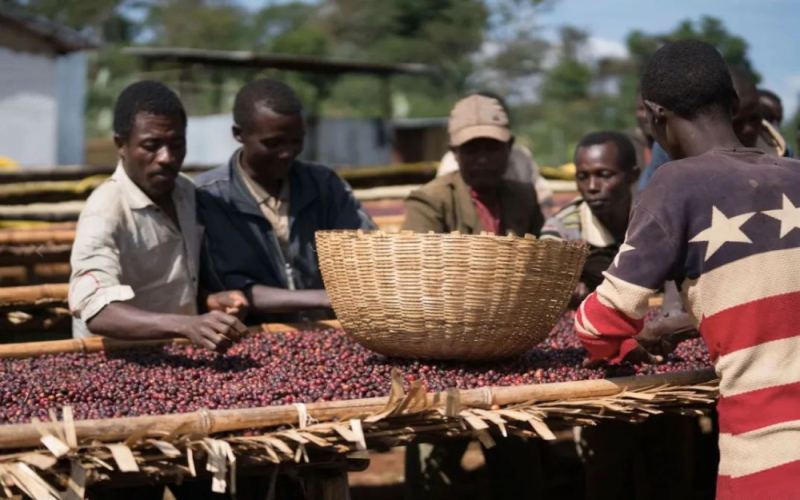
The Original Home of Ethiopian Coffee: Cultivation Patterns in the Kafa Forest and the Coffee Variety Gene Bank
Ethiopia is the birthplace of coffee, and its cultivation models fall into three types: garden, estate, and forest. Among them, the forest cultivation in the Kafa region of the southwest is the most unique. This place is not only the hometown of coffee but also home to about 5,000 coffee tree species, making it a genetic treasure trove of Arabica coffee. The Kafa forest has undergone logging and protection, and today it persists in the form of a biosphere reserve, with about 30 cooperatives in the surrounding area engaged in coffee production. Front Street Coffee has also launched a washed coffee bean from this producing region, presenting floral aromas, citric acidity, and sweet orange and bergamot flavors. This article will guide you through the cultivation traditions, historical changes, and coffee characteristics of the Kafa forest. [more…]

What Misunderstandings Lie Behind the Name Arabica? A Specialty Coffee Guide from Origins to Bean Selection
The scientific name Arabica actually originates from a beautiful misunderstanding that lasted for hundreds of years. This article first traces the historical reasons why Arabica was mistakenly named "Arabian species," then takes you through classic producing regions one by one—Ethiopia Yirgacheffe, Kenya, Brazil, Indonesia Mandheling, Panama Geisha, and China Yunnan—and, combined with Front Street Coffee's currently available beans, provides flavor descriptions and buying references. Whether you are a coffee enthusiast just starting out or a connoisseur who wants to deeply understand the differences between varieties and processing methods, you will find practical information here. [more…]
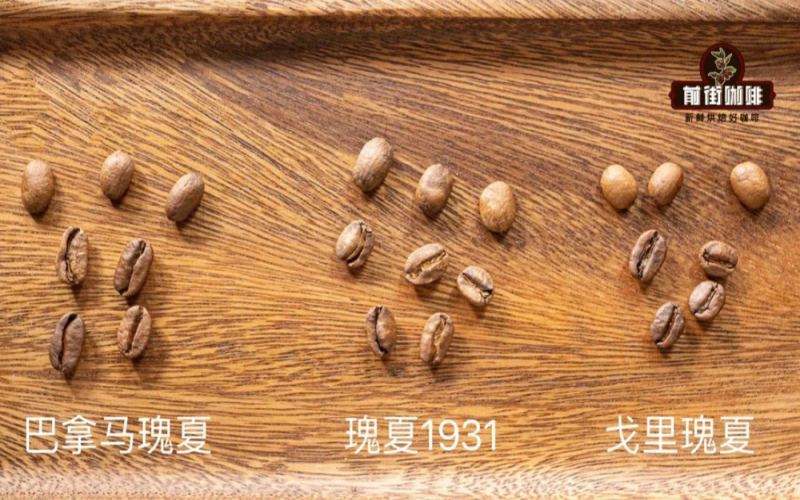
A Complete Guide to Panama Geisha Coffee: Variety Origins, Pour-Over Parameters, and a Practical Guide to Water Temperature and Coffee-to-Water Ratio
Geisha coffee is a legendary variety that the specialty coffee world cannot avoid. From the Kaffa forests of Ethiopia to the valleys of Boquete, Panama, it has conquered coffee lovers worldwide with its intense citrus aroma, jasmine fragrance, and bright fruity acidity. This article traces the discovery and spread of Geisha, explains the grading logic behind Hacienda La Esmeralda's Red, Green, and Blue labels, and introduces 90+'s innovative approach to processing Geisha. At the same time, Front Street Coffee will share pour-over tips for high-altitude hard beans, including water temperature, coffee-to-water ratio, grind size, and the three-pour rhythm, to help you brew Geisha's floral and fruity notes more consistently. [more…]
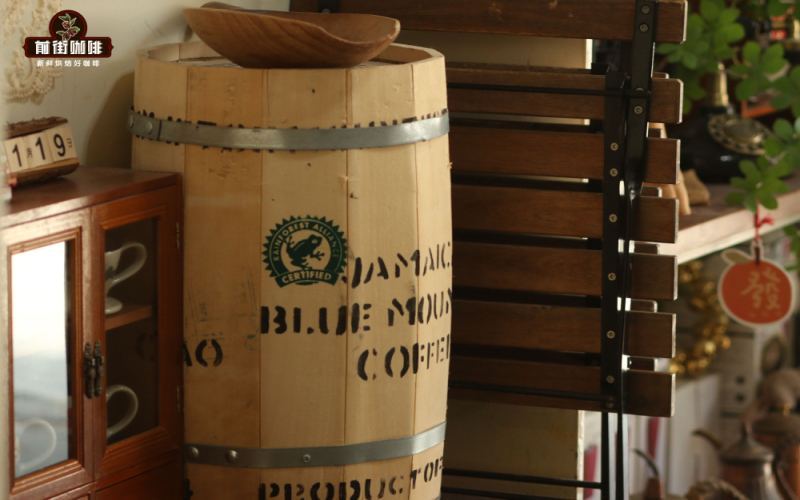
Counting Down the Top 10 Most Expensive Coffees in the World: Panama Geisha Tops the List, Jamaica Blue Mountain Only Ranks Sixth
Coffee has long been woven into the daily lives of many, with more than seventy countries around the world engaged in coffee cultivation and production. As growing techniques and processing methods continue to advance, an endless variety of coffees at every price point keeps emerging. Drawing on rankings from the overseas financial site Finances Online, this article sorts out ten pricey coffees by their global market prices, from highest to lowest. From the repeatedly crowned champion, Panama's Hacienda La Esmeralda Geisha, to the highly controversial Indonesian Kopi Luwak, and the Jamaica Blue Mountain familiar to many, each one has a unique origin and flavor. You may never have tasted them, but it's worth learning why they command such high prices. [more…]
The Origin Legend of Geisha Coffee and a Brewing & Tasting Guide: Flavor Characteristics and Historical Context
Geisha, a name that resounds like thunder in the coffee world, from the primitive forests of Ethiopia to the high-altitude estates of Panama, it has written a legend over nearly a century. This article sorts out the complete historical context of Geisha coffee, starting from the seeds collected by the British on Geisha Mountain in 1931, going through Kenya, Tanzania, Costa Rica, and finally shining brilliantly at Hacienda La Esmeralda in Panama. The article also introduces Geisha's demanding growing conditions, its scarce yield, and how it has become a sky-high-priced bean at auctions. For enthusiasts who want to gain a deeper understanding of Geisha, at the end of the article there are Front Street Coffee's brewing suggestions and taste descriptions, helping you experience the charm of this star bean at home. [more…]
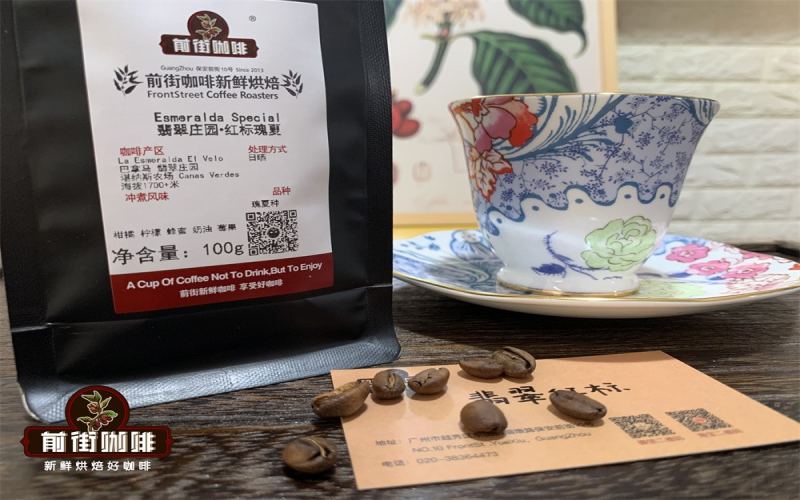
A Guide to Tasting Geisha Coffee: From Aroma to Palate, Master the Flavor Differences Between Panamanian and Ethiopian Geisha
Since Geisha coffee rose to fame from Panama's Hacienda La Esmeralda, it has firmly held its place as one of the most expensive coffees in the world, with a reputation that even surpasses Blue Mountain. Countries around the world have rushed to cultivate Geisha, and it is also grown in Yunnan, China, but the flavor has always struggled to match Panama's—thanks to the加持 of microclimates. So how exactly should such an expensive Geisha be drunk to live up to its price? Front Street Coffee believes that tasting Geisha requires experiencing it sequentially from high temperature to low temperature, drinking it within 20 minutes, progressing layer by layer from smelling the aroma, tasting the flavor, identifying defects, to portion and temperature. At the same time, Ethiopia, as the genetic homeland of Geisha, produces Geisha that is completely different in flavor from Panama Geisha. This article will also sort out the differences between the two and include Front Street's roasting and brewing suggestions. [more…]
What Variety Are Geisha Coffee Beans? A Comprehensive Analysis of Flavor, Taste Characteristics, and Rise to Fame
Geisha is one of the most sought-after varieties in today's specialty coffee world. Starting from the primitive forests of Ethiopia, it traveled through many countries before taking root in Panama, and with its stunning flavors it has won numerous honors in cupping competitions. This article will take you through the origin and spread of Geisha coffee beans, the appearance characteristics of the green beans, the performance of the dry and wet aromas, and the layered changes in taste and flavor, while also explaining why it can exceed 90 points in the SCA scoring system. If you are full of curiosity about this legendary bean variety, why not join Front Street in exploring it in depth. [more…]
A Comprehensive Interpretation of the Coffee Flavor Wheel: From Compounds to Sensory Classification, Mastering the Correct Approach to Coffee Flavor Tasting
Every cup of coffee contains thousands of aromatic compounds, and these substances interweave into a complex and fascinating flavor profile. The coffee flavor wheel, developed through research by the SCAA (Specialty Coffee Association of America) in collaboration with several universities, provides tasters with a systematic descriptive language. This article will guide you through the origins and composition of coffee flavors, explain the meanings of approximately eighty-five flavors across nine major categories on the flavor wheel, and describe how floral, fruity, nutty, cocoa, spice, and fermented flavors form during roasting and processing. At the same time, we will also introduce the flavor characteristics of specific coffees such as Front Street Yirgacheffe, Front Street Geisha, and Front Street Mandheling, helping you more accurately identify and express coffee flavors in daily life. [more…]
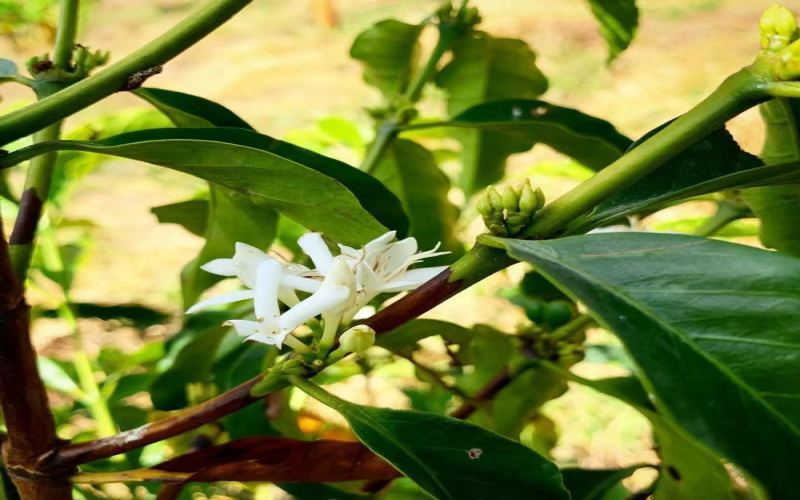
Is Geisha and Yiji the same type of coffee? An analysis of the flavor characteristics of Panama Geisha beans and Front Street Coffee's roasting approach
People often ask: are Geisha and Gesha actually the same variety? The answer is simple—they are just different translated names for the same coffee bean. This variety, originating from Geisha Mountain in Ethiopia, gets its name because its pronunciation resembles the Japanese geisha. It traveled from Africa to Costa Rica, and was later introduced to Panama, where it was initially used only as a windbreak. Its yield was low, and no one paid it much attention. That was until the Peterson family of Hacienda La Esmeralda discovered the citrus and floral notes in its cup, entered it into competition separately, and won first place in 2004, rewriting the landscape of specialty coffee ever since. This article will provide a complete breakdown of this legendary bean's flavor code, from the variety's origins, green bean appearance, and Front Street Coffee roasting recommendations to its cupping performance. [more…]
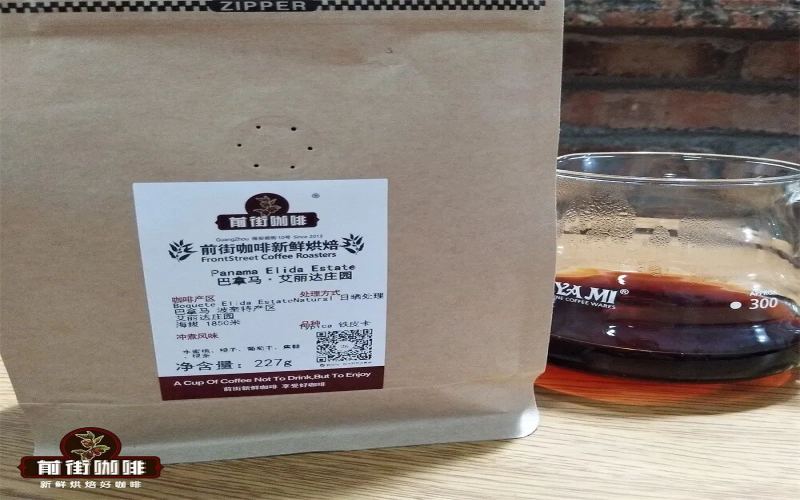
Coffee Varieties | Are Geisha and Gesha coffee the same variety? How was Geisha discovered? What are the differences between Yirgacheffe and Geisha coffee?
We know that Geisha coffee is very delicious and also very famous, but do you know how Geisha coffee got its name? There are many ways to name coffee: some are named after the producing country or region, and some are named after the estate, while Geisha is the name of a coffee variety. Geisha refers to a coffee variety, called Geisha/Ge in English. [more…]